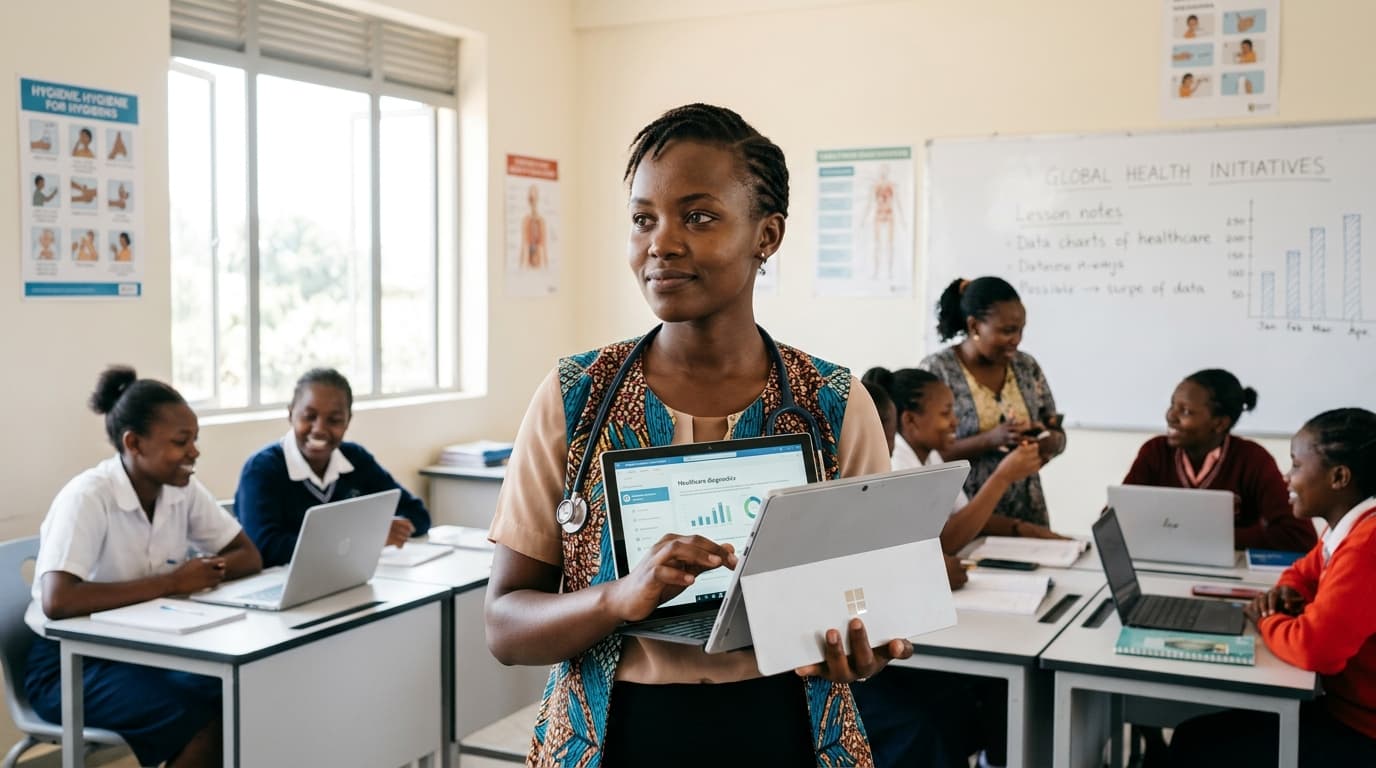
One ordinary day in my work within healthcare turned into a quiet wake-up call. I noticed something in the data: 60% of all clinic visits were made by one gender. That led me down a path of reflection and eventually, into the subject of gender inequality.
Despite years of effort and progress, gender inequality remains deeply rooted in many developing countries. It isn’t always loud or obvious. Sometimes, it’s hidden in who speaks during meetings. In who can access a phone. In who gets to decide.
So, what do we do about it? I asked myself.
Here’s what I’m learning:
🔹 Access to education and technology isn’t just helpful BUT it’s foundational. Girls and women need the tools to participate in today’s world. That means infrastructure for digital access, inclusive tech policies, and curriculum that dismantles not reinforces harmful stereotypes.
🔹 Cultural norms must evolve. Child marriage and gender-based violence are still major obstacles to education and autonomy. Empowering girls means shifting not only laws, but mindsets at home, in communities, and in media.
🔹 Unpaid labor deserves recognition. From caregiving to household responsibilities, women’s contributions fuel economies yet go largely uncounted. We need policies that reflect the value of this work and ensure equal pay for equal contribution.
🔹 Representation is non-negotiable. Until women are equally present at every decision-making table whether in politics, business, healthcare, and education gender equality will remain a theory, not a reality.
Final Thought
Equality isn’t just a women’s issue. It’s a systems issue. If we want smarter economies, healthier families, and stronger communities, we must build structures that are fair, inclusive, and empowering for everyone.
I’ll continue reflecting on how I, as a product and systems thinker in healthcare and tech, can be part of that change.