Abstract This article examines the impact of structural adjustment programmes on Kenyan energy sector. After reforms initiated by World Bank and International Monetary Fund in Kenya in the 1990s they have had an impact on the recent daily life of Kenyans. The programmes have been linked to high rates of unemployment in recent times that are not able to be met by the Kenyan government. As the energy sector employees less than 1%. Further it would still take more time to counter the negative impacts of the SAPs that were introduced back then.
Introduction
Structural adjustment programmes has its infancy start in the early 1980s, at a time when many developing countries were facing chronic economic crisis. A response to this they had to adjust and live within their means. Structural adjustment programmes were published in Kenya in the year 1986, after being introduced five years earlier to help the economy recover from the difficulties it was facing then. Since then structural adjustment programmes(SAPs) have been integrated as policy tools for economic management (Rono, 2002), which are still felt in recent times in Kenya.
SAPs were intended to change the structure of our economy from being volatile to changes and enable us achieve sustainable economic development. With the help of International Monetary Fund (IMF) and World Bank, that IMF worked with countries to stabilize their economy and World Bank focused on structural adjustment that was necessary to create a basis for sustainable economic growth. Despite debate that SAPs had a different impact other than what it was intended remains controversial, it is agreed that SAPs have greater implications in once country that are still visible up to date.
Methodology
The research for this paper was conducted using: A comprehensive search of academic literature, books and existing government policies.
An overview of the impact of structural adjustment on the Kenyan economy in recent times
Today, more than 30 years since SAPs were first introduced in Kenya, there has been push and pull among the Kenyan government, IMF and World Bank each accusing each other of why the SAPs have not been fully realized. SAPs still remain unpopular in recent times as they are accompanied by a series of conditions that are harsh and rapid to the Kenyan social structure.
For example World Bank and IMF championed to address economic problems but have since then shifted to political issues based on Western political models (Rono, 2002). As a consequent Kenya had to change its constitution that created decentralized power structure among other matters by the year 2010. The new constitution came effective and with it the financial burden to implement it, on adding to the existing budget deficit that the Kenyan government was still facing.
Since among the objectives of SAPs has been to reduce the budget deficit. For Kenya, the budget has increased by 50% over the past five years from 1.5 trillion Kenyan shilling in the year 2014 to 3 trillion Kenyan shillings in the year 2018; with almost more than half going towards servicing the high interest debts that were taken and wages leaving less for development. This forced the Kenyan government to take on more loans for development needs during this period. Consequently, retaining a budget deficit for to grapple with. A good example of measures taken was to tax more on petroleum products to help reduce the deficit back in 2013 but the policy was pushed forward till it came into effect in last quarter of 2018. This was controversial and unpopular in the country as it was harsh on its people.
What are the recent trends in employment opportunities?
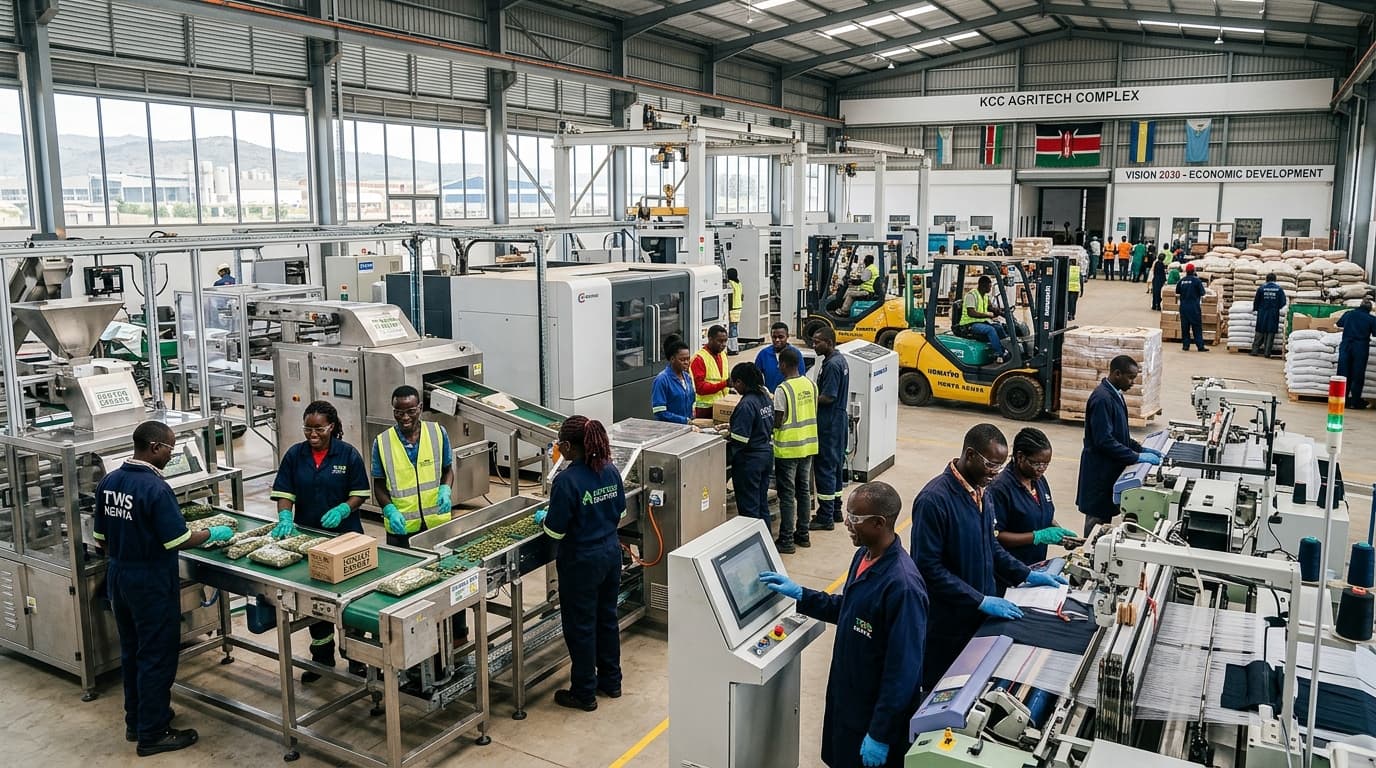
In order to accelerate economic development, creation of employment opportunities was a major objective since also Kenya has a rapidly – growing labour force. The Kenyan government has made frantic efforts towards this are but been unable to generate adequate employment opportunities, as shown by the low growth of waged employment (Kenya National Burea of Statistics, 2017). Between 2012 and 2016, wage employment grew by an average of 4.3% against a population growth rate of 15.56%, this leading to accumulation of large numbers of unemployed people in the country.
The impact of structural adjustment programme on education in recent times.
Since Kenya got its independence there has been a notable progress in its education and to be able to lead the region on matters of literacy levels. The governments that have been coming to power in Kenya have continued to emphasize the importance of education and going further by even abolishing fees on various levels of its education while subsidizing others.
Through the policy of cost sharing, structural adjustments programmes by the government has led to increased enrolment in to schools in all levels and in turn contributed its activity towards the growth of gross domestic product of 7.5% by 2016 (Kenya National Burea of Statistics, 2017). But with it come it fair share of problems such as the quality of education offered and employment opportunities decline in recent times.
The impact of structural adjustment programme on energy in recent times.
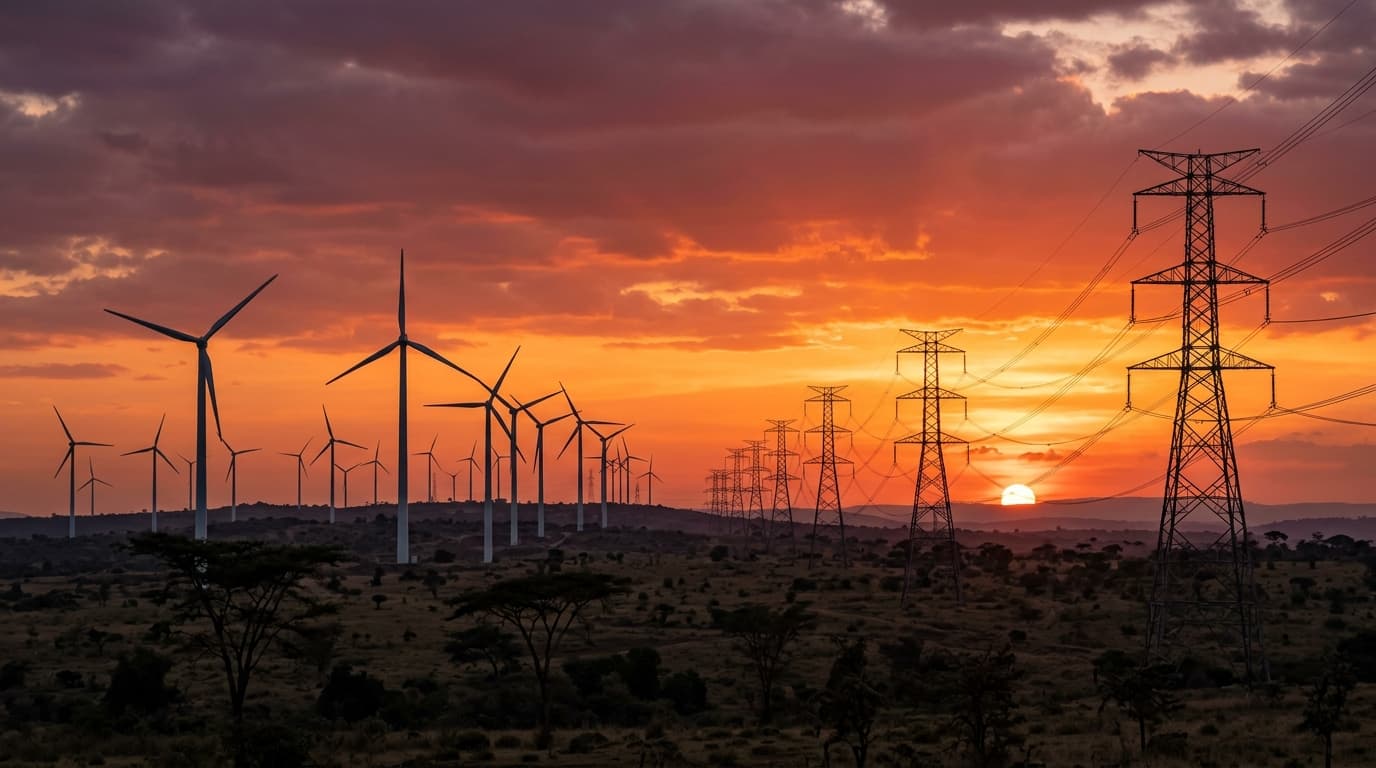
In Kenya, Energy is in two main components; namely petroleum products and electricity. It is from these two that Kenya has diversified to be able to have its own source to meet the demand it has. Also forming ministry to handle energy related issues, that has over the years developed policies in the sector. A crucial bill that was passed was the energy act of 2012 that reviewed its earlier act of 2006 to allow formation of Rural Electrification Authority. (Government of Kenya, 2012) (Government of Kenya, 2006)
Empirical studies and intuitive appeal highlight the role of energy in economic development. The International Energy Agency has underscored the high correlation between access to energy and development (Silva & Nakata, 2009). Over the last decade, the government of Kenya has committed towards easy access of energy to its people. This has been by partnering with World Bank and other financial institution to roll out the last mile electrification programme in the country. As a result, households in rural areas and schools have been connected to the grid through the program.
Despite their high connection rate, literature reviews show that the programme has not been sustainable as the households and schools take up less energy from the grid than what is produced and this had a low net present value when financially analyzed; as the government would have to heavily subsidize electricity for its people. On the household level, research done by Gatama in 2014 shows that age and education levels determine the type of energy consumed (Gatama, 2014)
The impact of SAPs on energy have not been properly analysed and existing studies are also limited to a clear perspective of the situation in recent times. Since some fuels used to produce energy like firewood from the forest has been outlawed, LPG has been heavily subsidies by the government and taxes removed from electricity tariff all in an effort to increase better uptake of energy.
The impact of structural adjustment programme on poverty in recent times.
SAPs have imposed harsh economic measures which have deepened, rather than alleviate poverty (Kerslake, 2005). Over the past decade, according to the 17th edition of the Kenya Economic Update, the portion of Kenyans living on less than the international poverty line has declined from 43.6% in 2005/6 to 35.3% in 2015/16 (World Bank Group, 2018). This figures have reduced from the ones taken in the 1990s.
The impact of economic rise in the past decade has reduced inflation rates and poverty but still face high unemployment that in turn negatively affecting other sectors of development and the family unit in particular to be persistent live in poverty.
Measures by the state to deal with poverty in recent times.
The most recent World Bank report in 2018 acknowledges the progress that Kenya has maintained to improve the living standards of the people of Kenya through education and steady GDP OF 5% in recent times but also identified that poverty reduction will be hard to achieve by 2030 (World Bank Group, 2018).
The government determination to address poverty, it shall have to avoid recurrent seasonal spells of poverty experienced by agricultural households by building resilience that include climate proofing agriculture. Agriculture sector being a key driver of poverty reduction would have less vulnerability to agro – climatic shock and in turn translate to higher poverty reduction than the one witnessed. This implies a sharp focus on poverty reduction policies with higher and more inclusive growth rates.
Conclusion
Despite the negative effects of the SAPs in the 1990s, Kenya has managed to grow and stabilize its economy, which has impacted positively in nearly all areas of development in the last decade. This has affected the economy through increased government expenditure, especially on increased government lending and expenditure to service debts.
Families and the vulnerable have been less exposed to social economic risk such as inflation but still face unemployment. Though SAPs have been linked to the decline of quality of education on various levels and the stagnation of the real per capita income growth; associated with unemployment. The government still finds it difficult to rationalize without worsening human misery. As of the case the structural adjustment programme in the energy sector in recent times will have its impact felt across the economy fully after a considerable amount of time.
References
- Gatama, M. N. (2014). FACTORS INFLUENCING HOUSEHOLD ENERGY CONSUMPTION: THE CASE OF BIOMASS FUELS IN KIKUYU DISTRICT OF KIAMBU COUNTY, KENYA.
- Government of Kenya. (2006). Energy Act. Government Printers.
- Government of Kenya. (2012). Energy Act . the National Council for Law Reporting.
- Kenya National Burea of Statistics. (2017). Economic survey 2017. Kenya National Burea of Statistics.
- Kerslake, M. T. (2005). Structural Adjustment Programmes: The case of Samoa.Auckland: Massey University.
- Rono, J. K. (2002, January ). The impacy of structural adjustment programmes on Kenyan society. Journal of social development in africa, 17(1), 81-98.
- Silva, D., & Nakata, T. (2009). Multi-objective assessment of rural electrification in remote areas with poverty considerations. Energy Policy, 37, 3096-3108.
- World Bank Group. (2018). Kenya Economic Update, 17th edition. Nairobi: World Bank.